

The latest report from the UN’s Intergovernmental Panel on Climate Change (IPCC) looks at the impacts, adaptation and vulnerabilities associated with the climate crisis, and we are three of the 270 scientists and researchers who wrote it. The document reports stark new findings on the way current global warming of 1.1℃ is impacting natural and human systems, and on how our ability to respond will be increasingly limited with every additional increment of warming.


The United Nations 26th Annual Climate Change Conference COP26 wrapped up in November with the adoption of the Glasgow Climate Pact. Negotiated by over 200 countries, the new pact to reduce global warming reaffirms the Paris Agreement to keep temperature increases below 1.5 degrees Celsius, which translates into tougher national pollution policies across every sector, particularly those related to transportation and energy production.

From income losses and social distancing to interruptions in healthcare provision, the Covid-19 pandemic continues to disrupt the lives of many around the world.

Extreme weather events point to an increasingly dangerous roulette game we play. Individuals and businesses can do their part but governments must do more at the upcoming Glasgow climate conference.

Imagine you are in a casino where the roulette wheels have only red and black colours. You win if the ball falls on black, and the house wins on red. Currently, more black than red slots exist, so it is a tempting game to play as the odds are in your favour.

Singapore may rank high in its rate of Covid-19 vaccination. However, segments of the nation’s older adults, aged 71 to 75, were still reluctant to take the jab due to skepticism over the efficacy and safety of the vaccines. A study conducted by Singapore Management University’s (SMU) Centre for Research on Successful Ageing (ROSA) from February to June 2021 also revealed that respondents who did not intend to vaccinate were less socially integrated.

Countries around the globe have experienced an acceleration in their digital transformation in the wake of the Covid-19 pandemic. Too often, the media spotlights how apps, big data, automation and artificial intelligence have found their way into everyday life and business processes. Headlines highlight businesses scaling at turbo speed – think of the latest start-up unicorn or the fast-growing sector of tech-enabled firms.

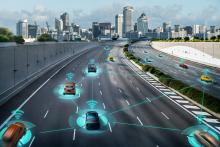
Autonomous vehicles (AVs) are becoming an increasingly popular mode of transport, and their legislation have to quickly evolve to accommodate this rising movement. As autonomous vehicles become more prevalent, it's important for legislators to keep up with the latest developments in order to create smart policies that will benefit their constituents.

In the midst of the Asian Century — during which the economy of the region is larger than any other in the world, immense growth can only be supported by a robust financial regime, which, in turn, is built on a strong foundation of legal infrastructures. Legal governance plays a pivotal role in not only sustaining the stability of the financial regime, but promoting the integration of finance and technology in a digital economy.