
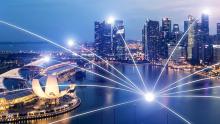
Traffic lights that connect with cars and sensors to manage congestion; smart waste management systems that minimise overflowing bins and automatically suggest collection timings; laser particle sensors that detect air quality—such technology-enabled tools are employed by smart cities worldwide to optimise efficiency and convenience for their citizens. But beyond improving the quality of life, smart city technology can also help save lives—especially during a pandemic.
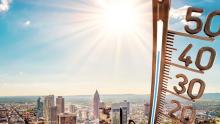

The Cooling Singapore project aims to improve the city’s outdoor comfort by assessing the potential impacts of planning decisions, says SMU Associate Professor Winston Chow

SMU Office of Research & Tech Transfer – It’s known as the Urban Heat Island effect, the way big cities experience hotter outdoor temperatures than nearby rural areas.

Digitalisation was the lifeline that pulled many countries through the turbulence of the pandemic, and nowhere else was this more evident than in the A