Global experts at SMU City Dialogues Vienna: Urban resilience requires trust, equity and ‘smart enough’ solutions

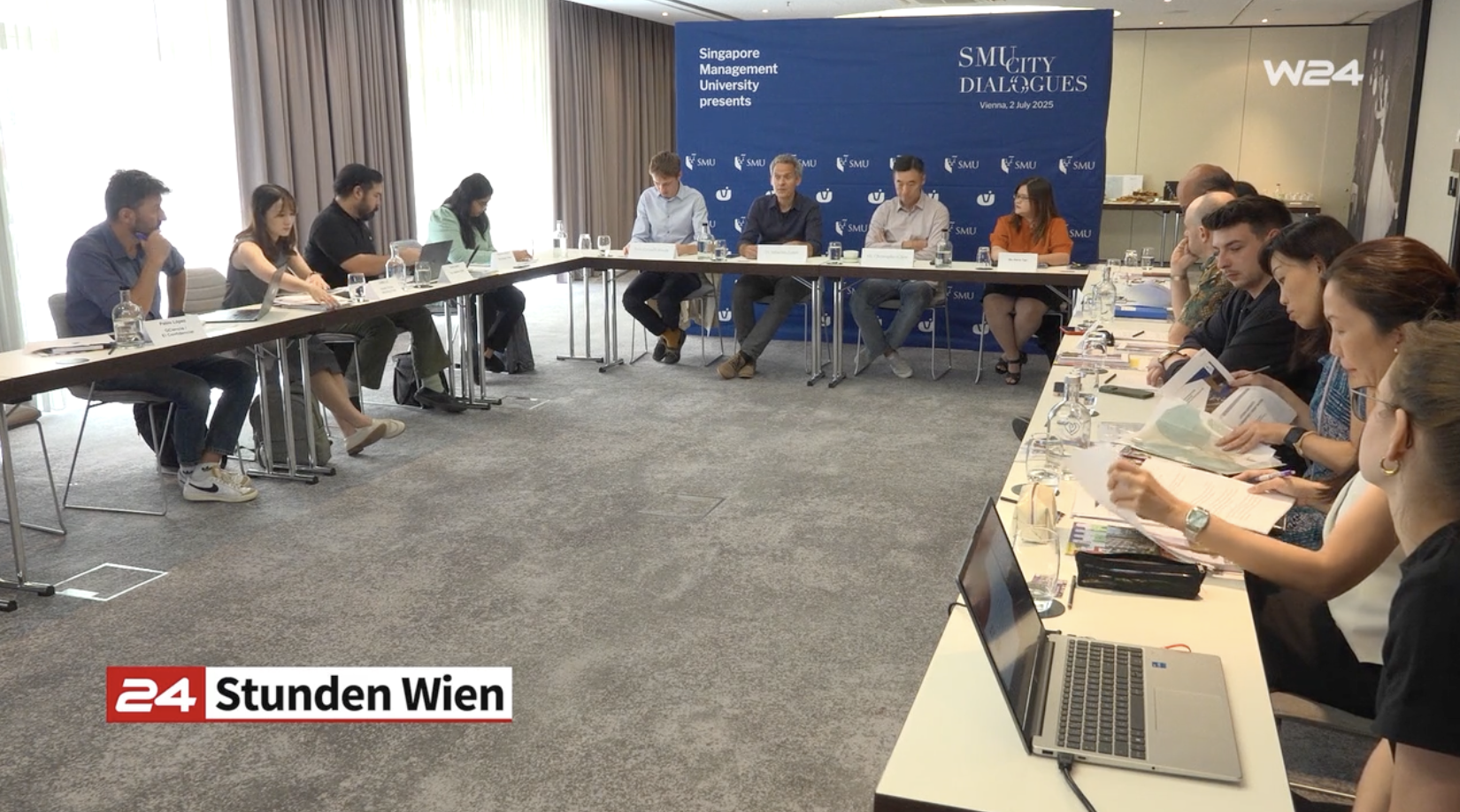
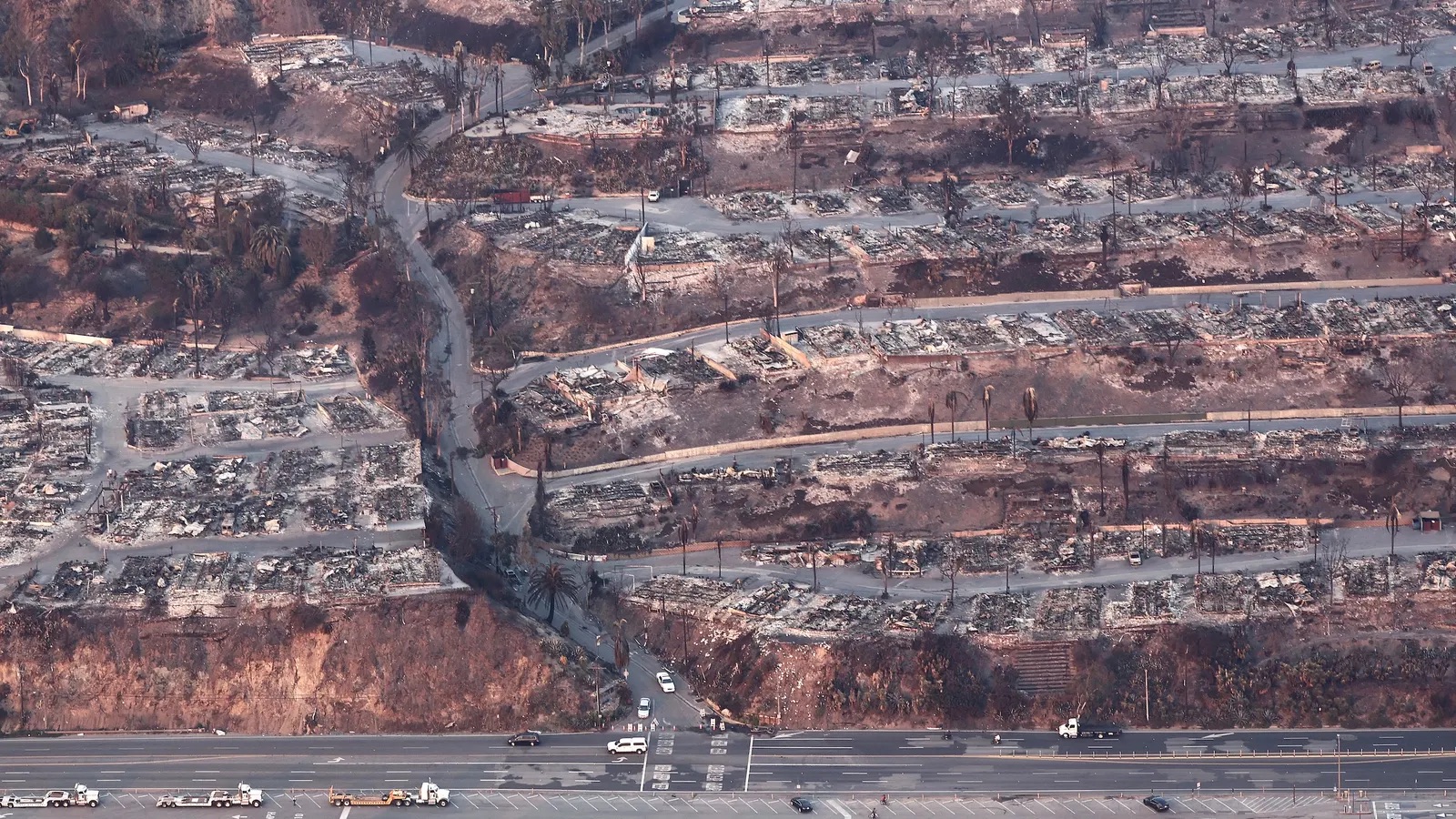
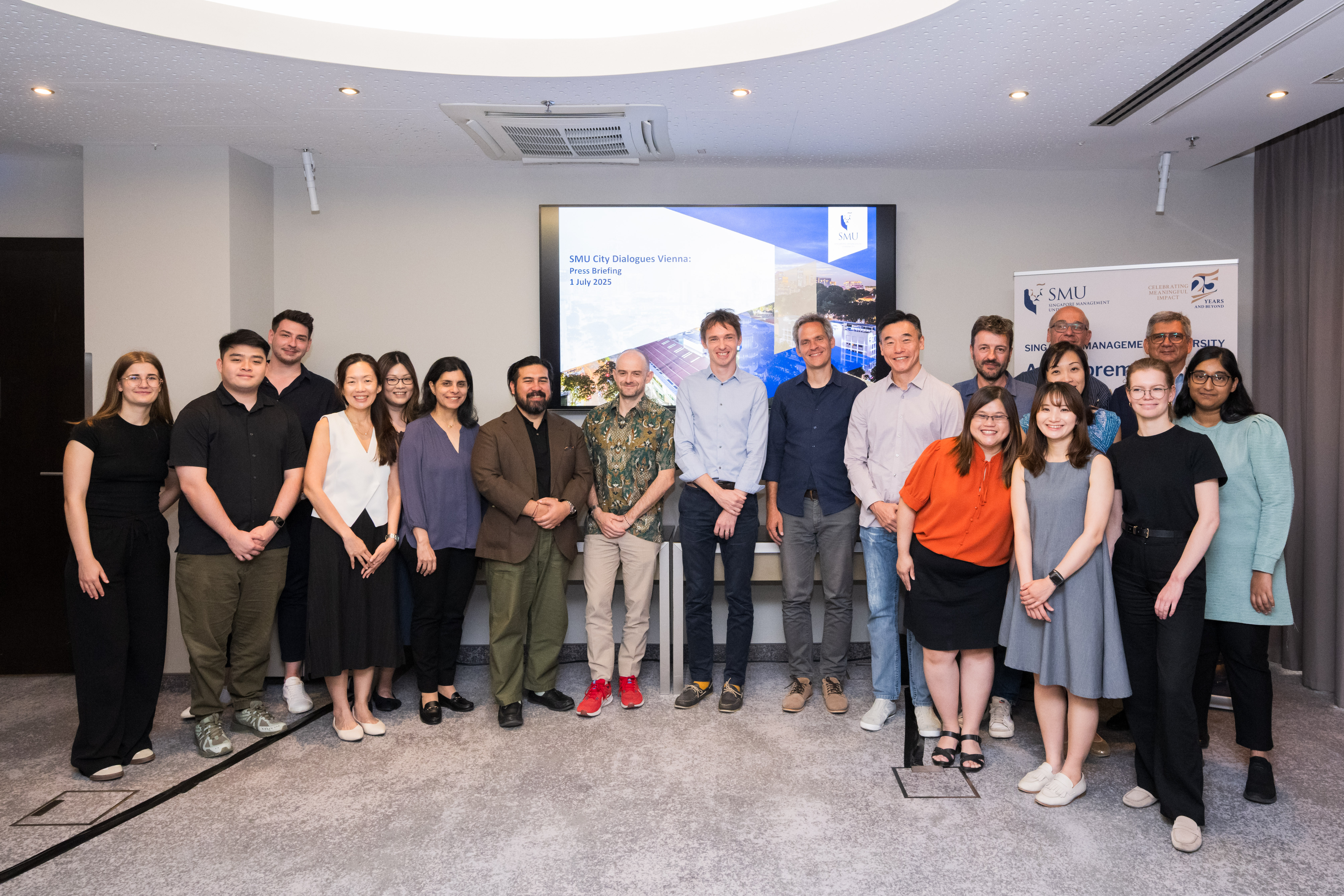
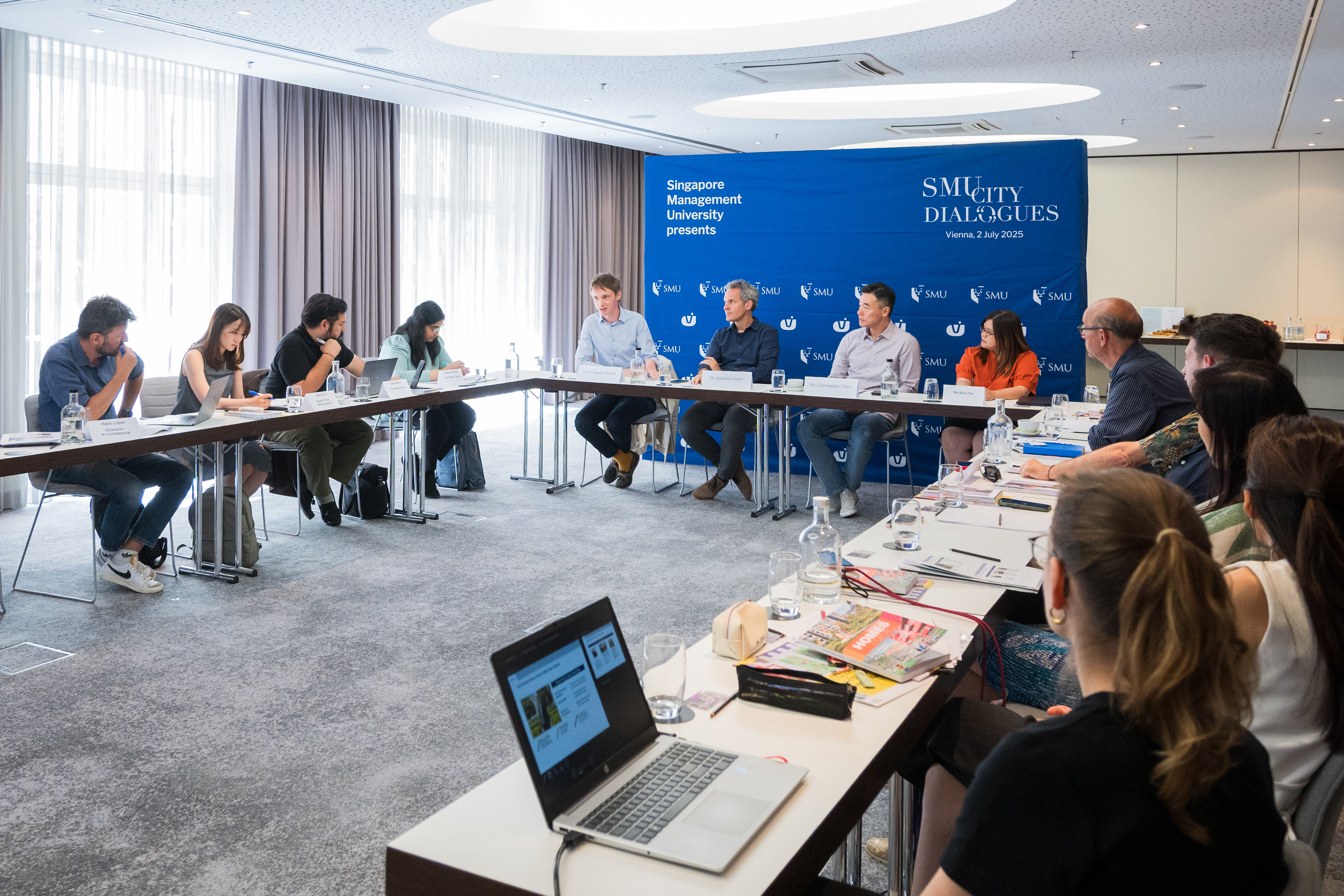
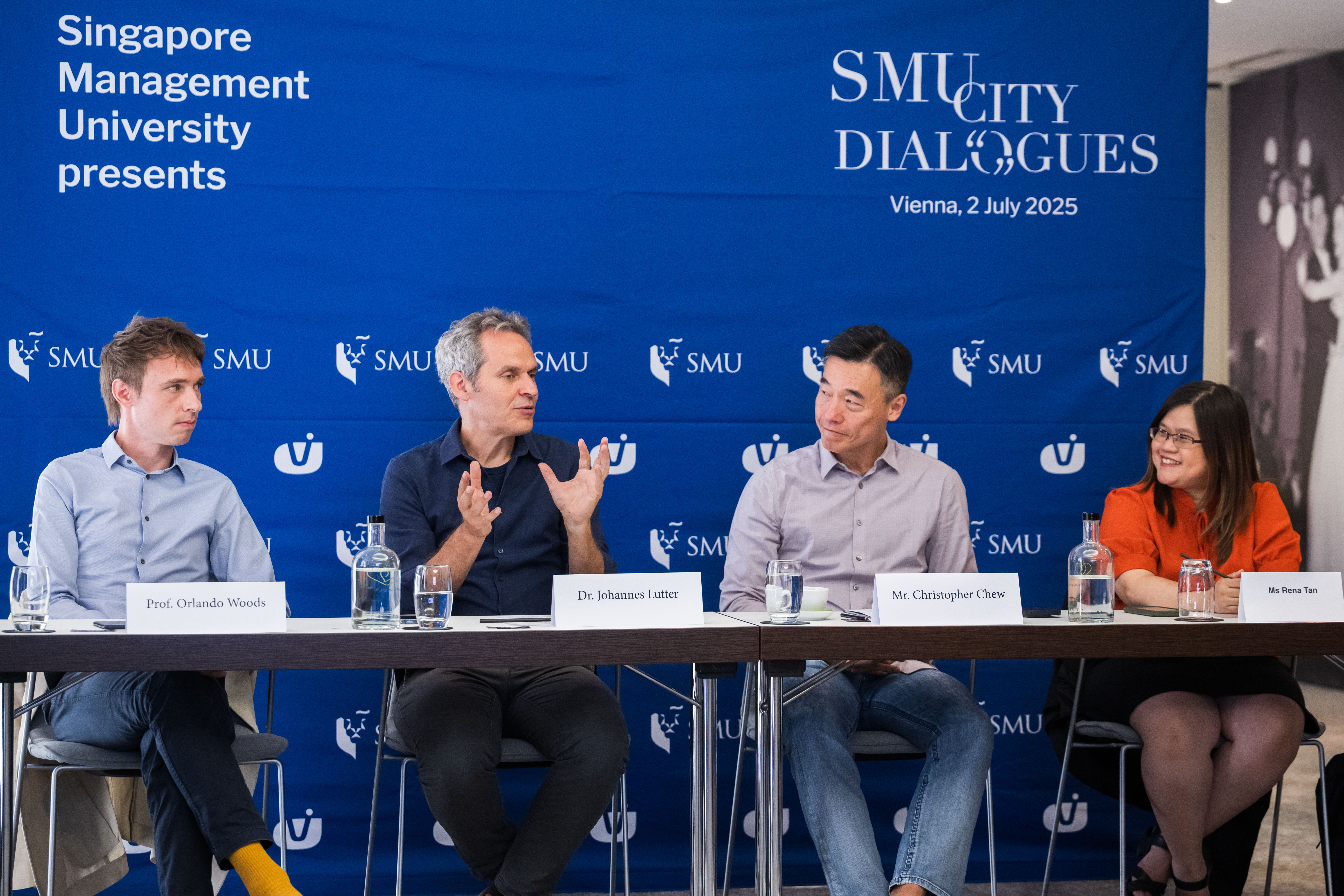
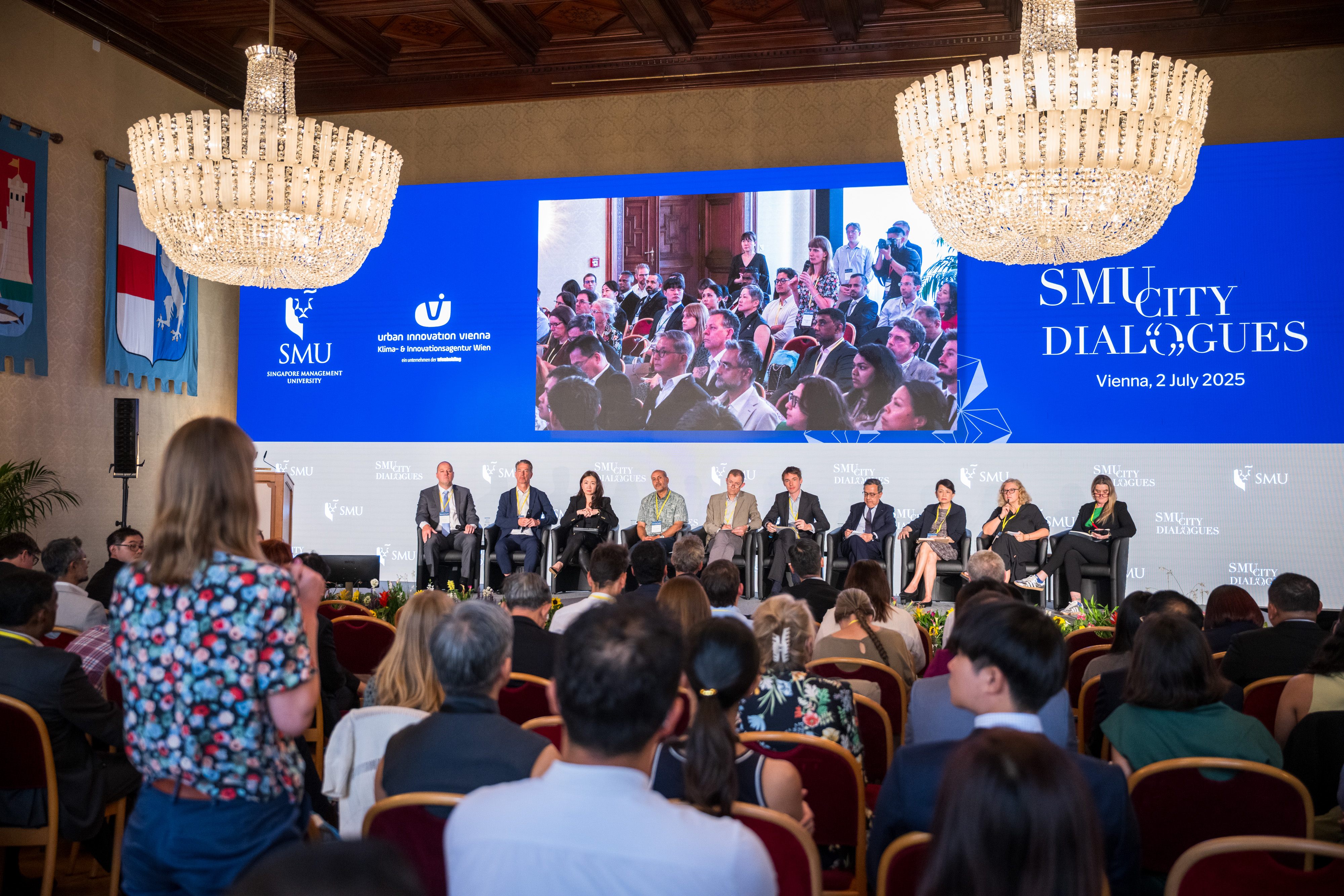
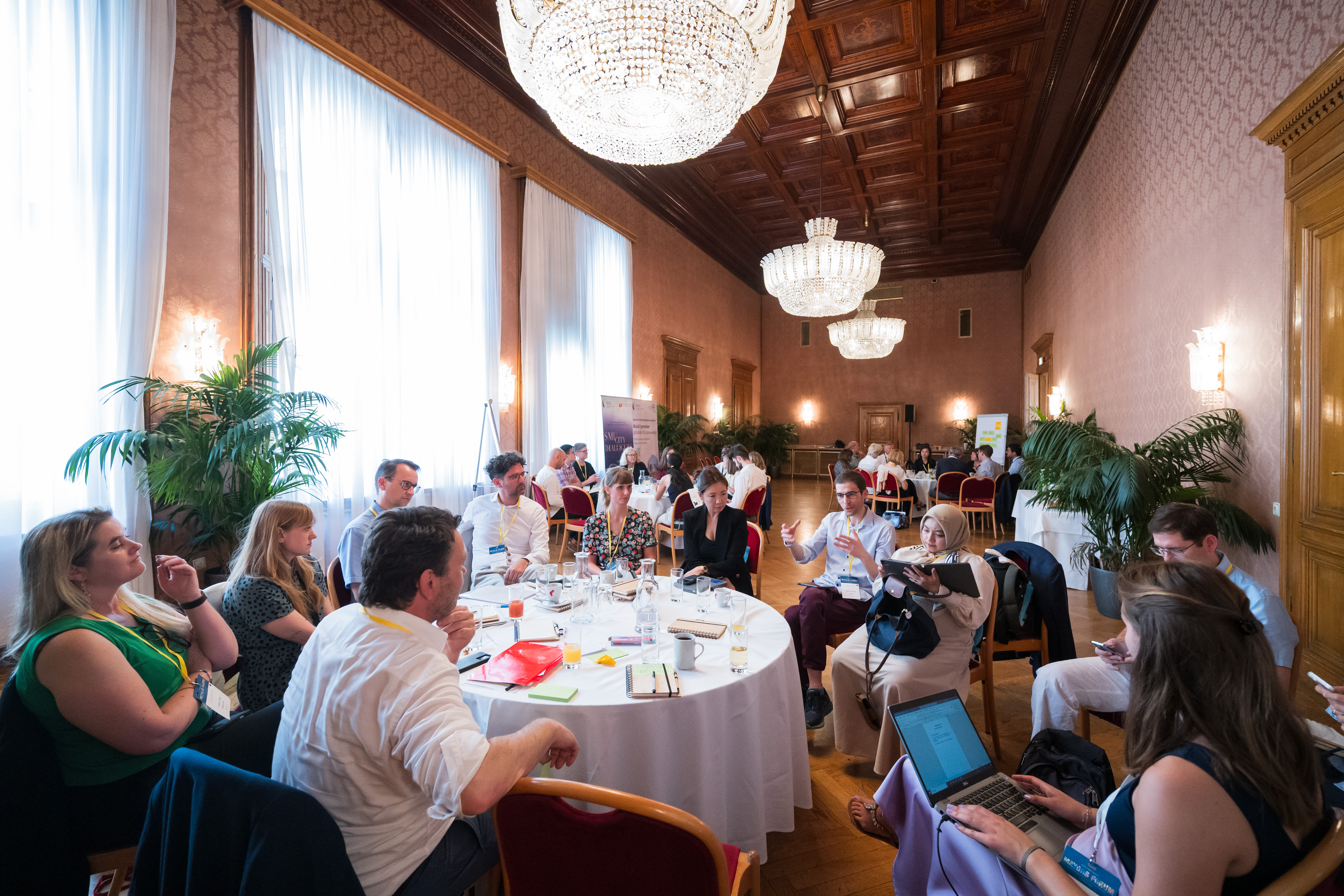
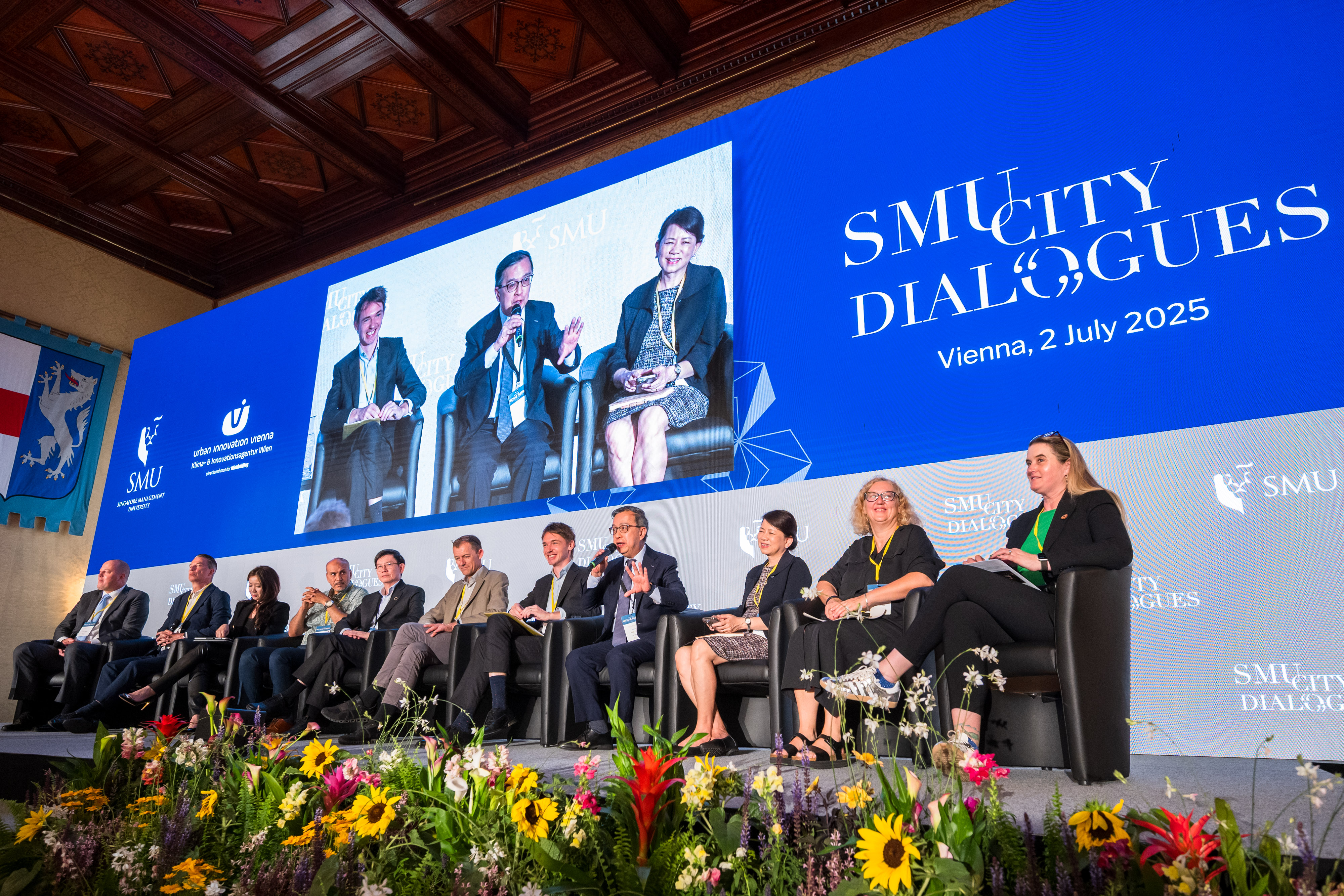
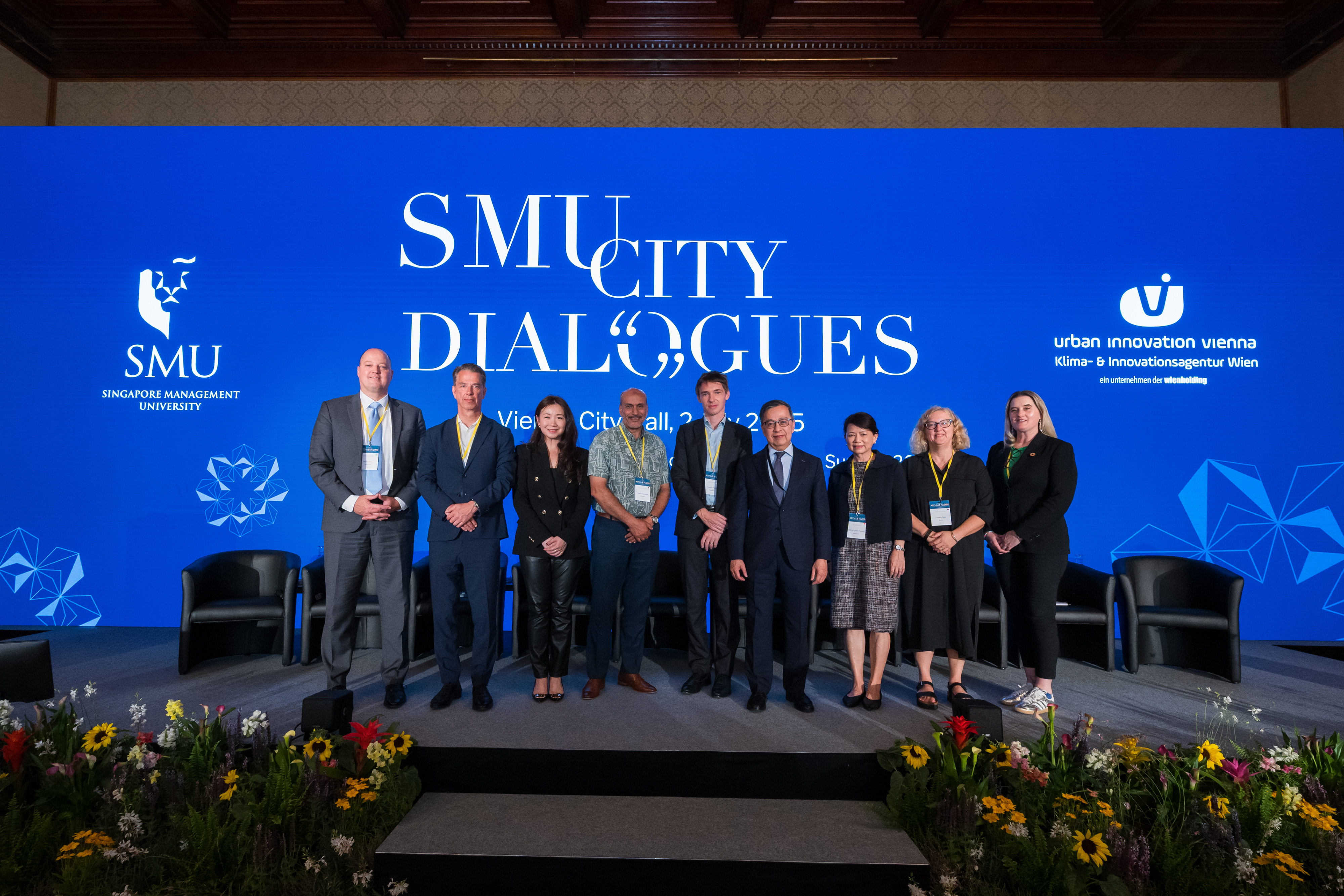
As climate threats reshape the urban landscape, cities must now choose: survive or thrive. At the SMU City Dialogues in Vienna, global leaders from 20 countries explored how resilient infrastructure, targeted investments, and community-driven design can future-proof our cities against floods, heatwaves, and rising uncertainty.
From AI-powered transit systems to multifunctional flood barriers, the solutions unveiled were bold, data-driven, and deeply human. Curious about what mitigating steps Singapore and Austria are taking and what your city can learn from them? Read the full article to dive deeper into the key insights and real-world strategies.
Urban resilience is often framed as a technical challenge of preparing cities for shocks and disruptions. But who defines resilience, whose interests it serves, and what future it is designed to create?
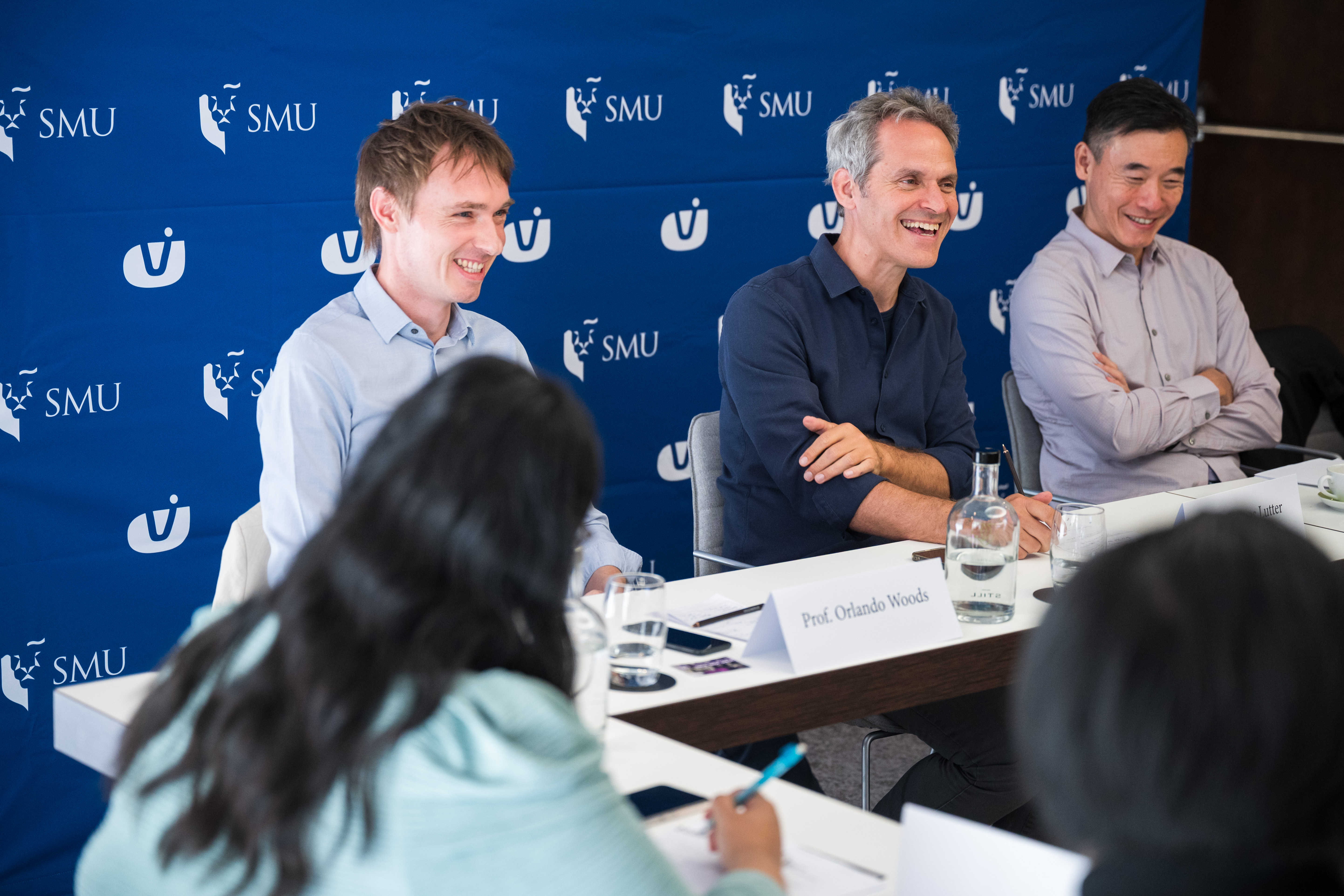
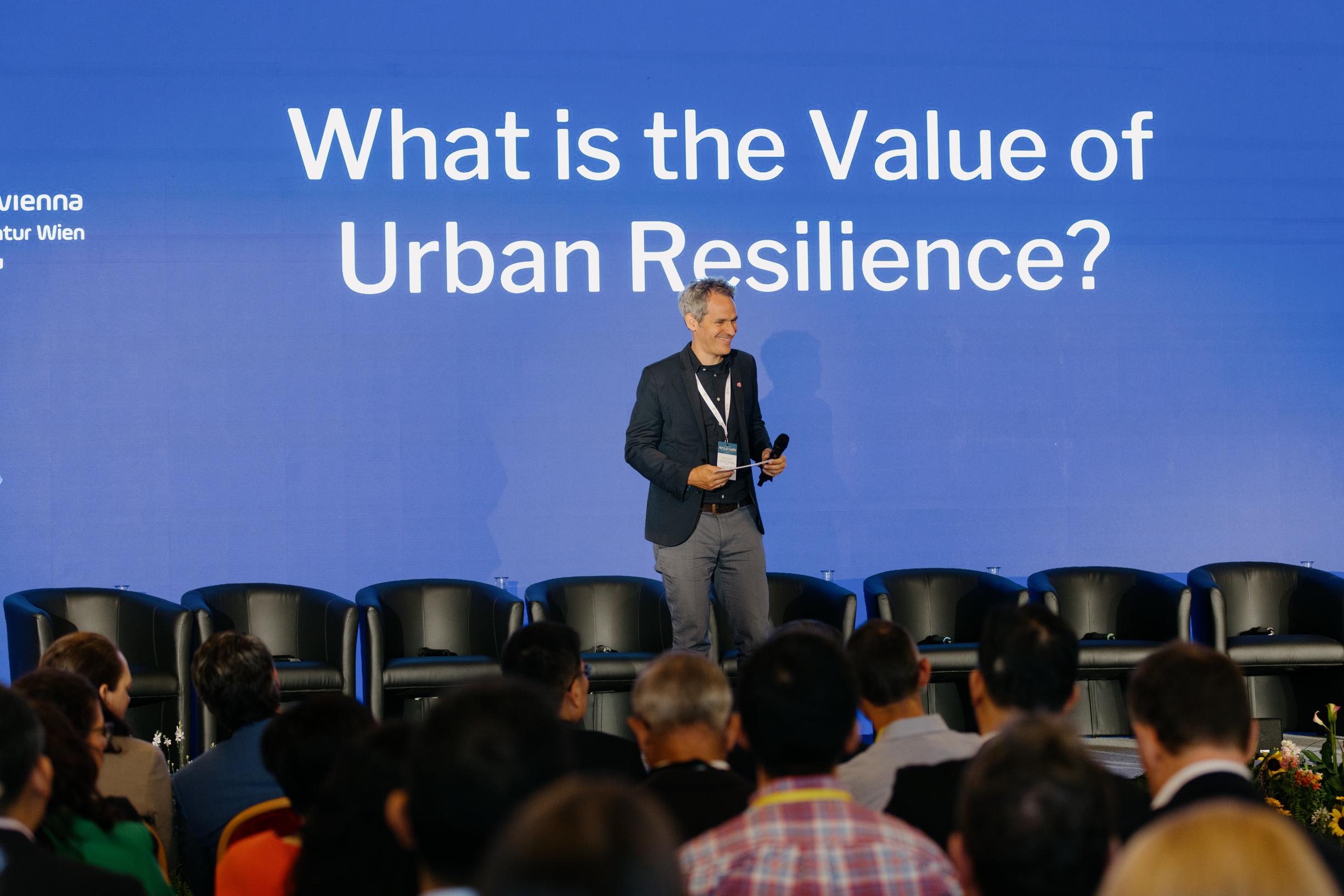
These questions are explored in SMU’s new White Paper “What is the Value of Urban Resilience?” and released at the 2026 World Cities Summit. Authored by Professor Orlando Woods, the paper calls for a broader, more human-centred understanding of how cities can adapt, endure and thrive amid uncertainty.
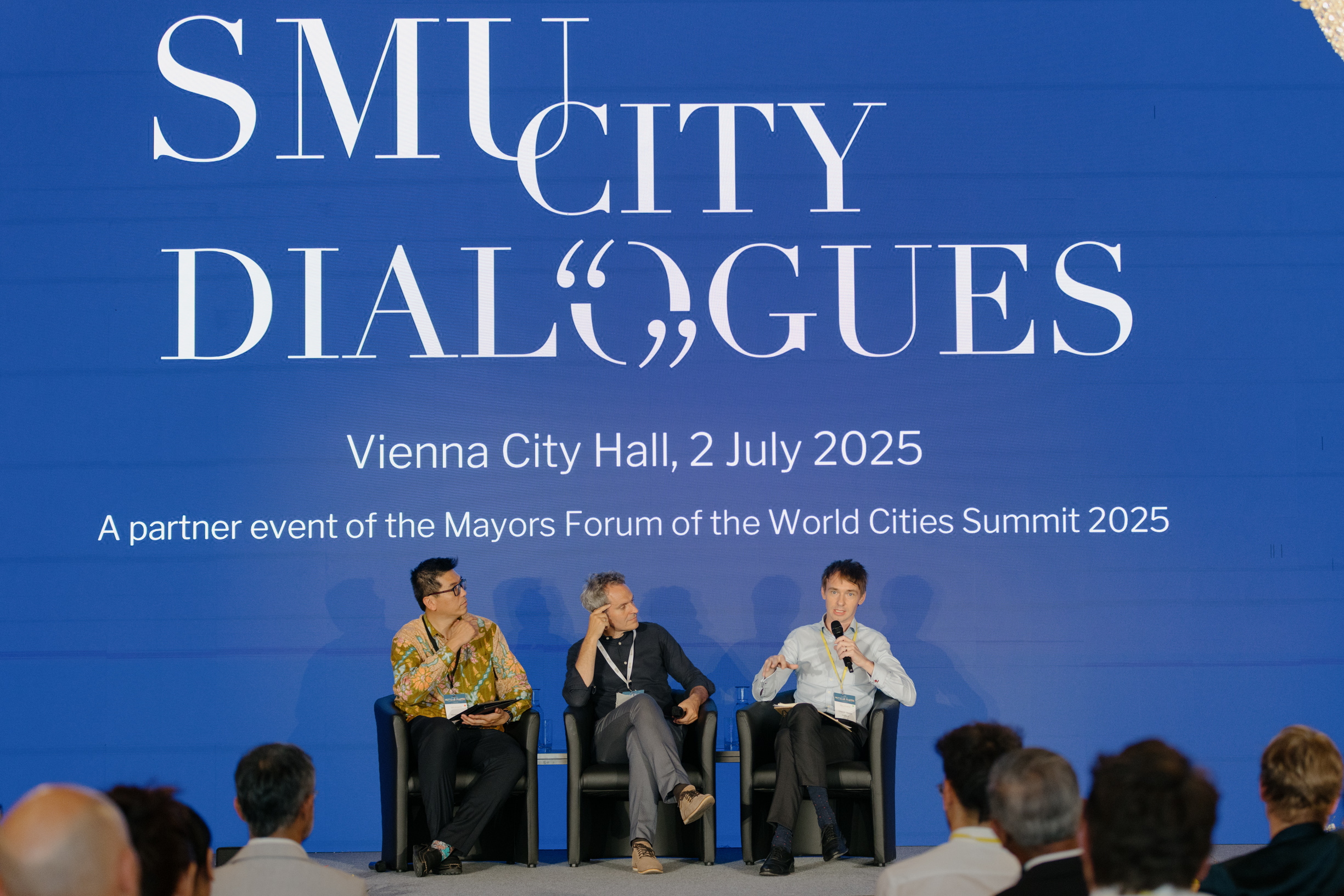
The White Paper drew insights from the fourth SMU City Dialogues Vienna, distilling key insights from the discussions into a deeper exploration of the value urban resilience creates, and for whom. It frames resilience not only as a technical response to risk, but as a strategic framework for shaping urban futures, aligning diverse stakeholders and guiding decision-making in an increasingly complex world.
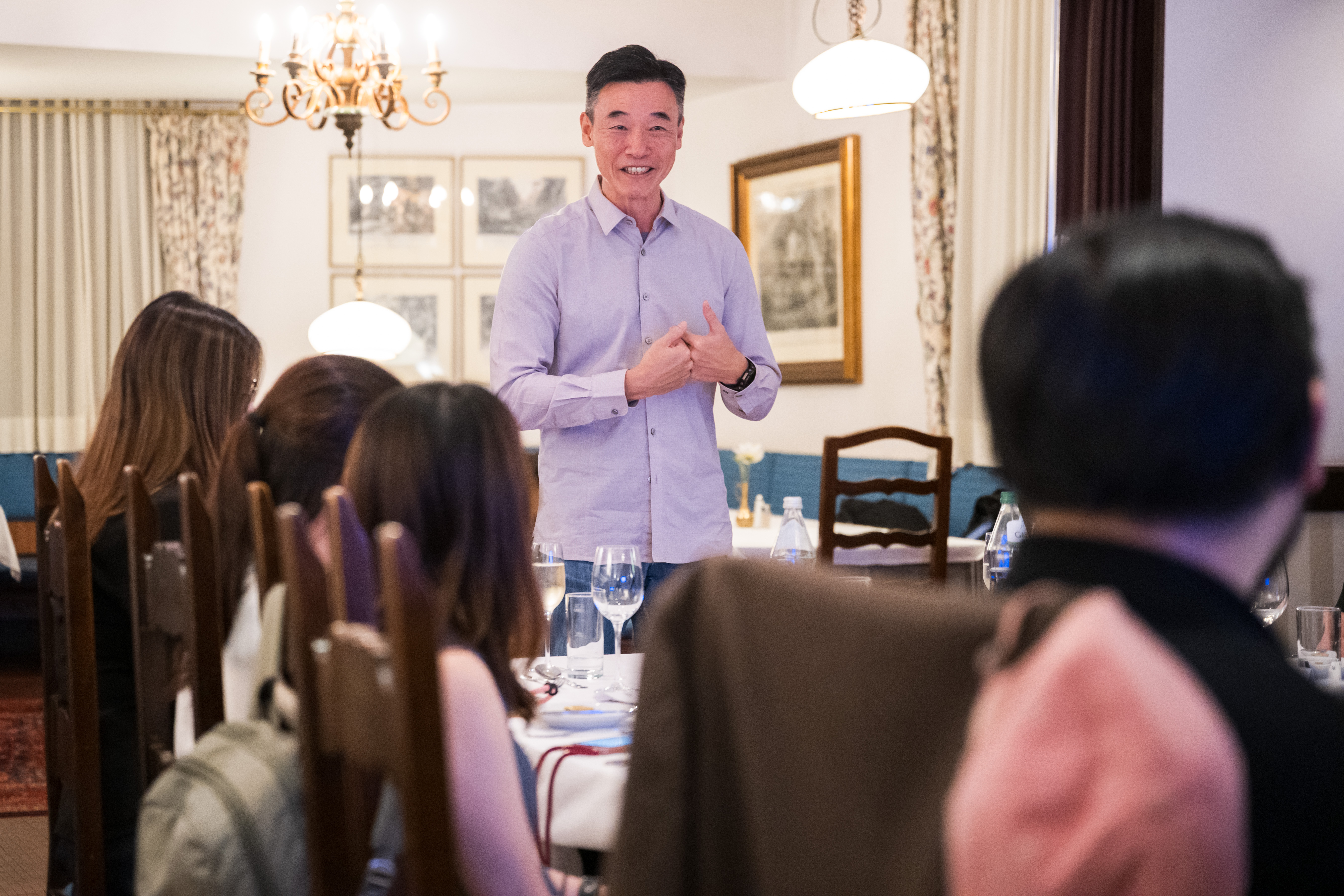
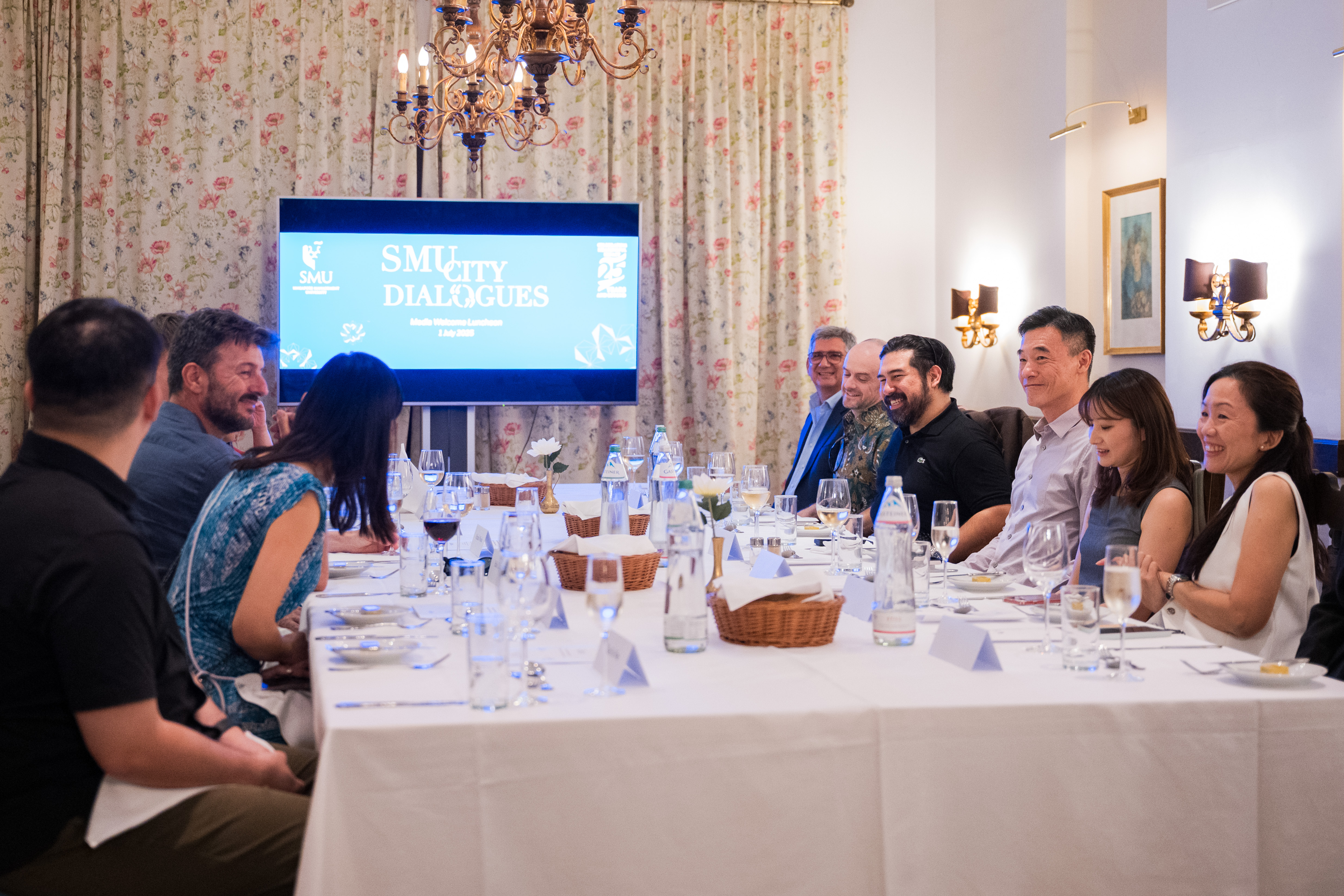
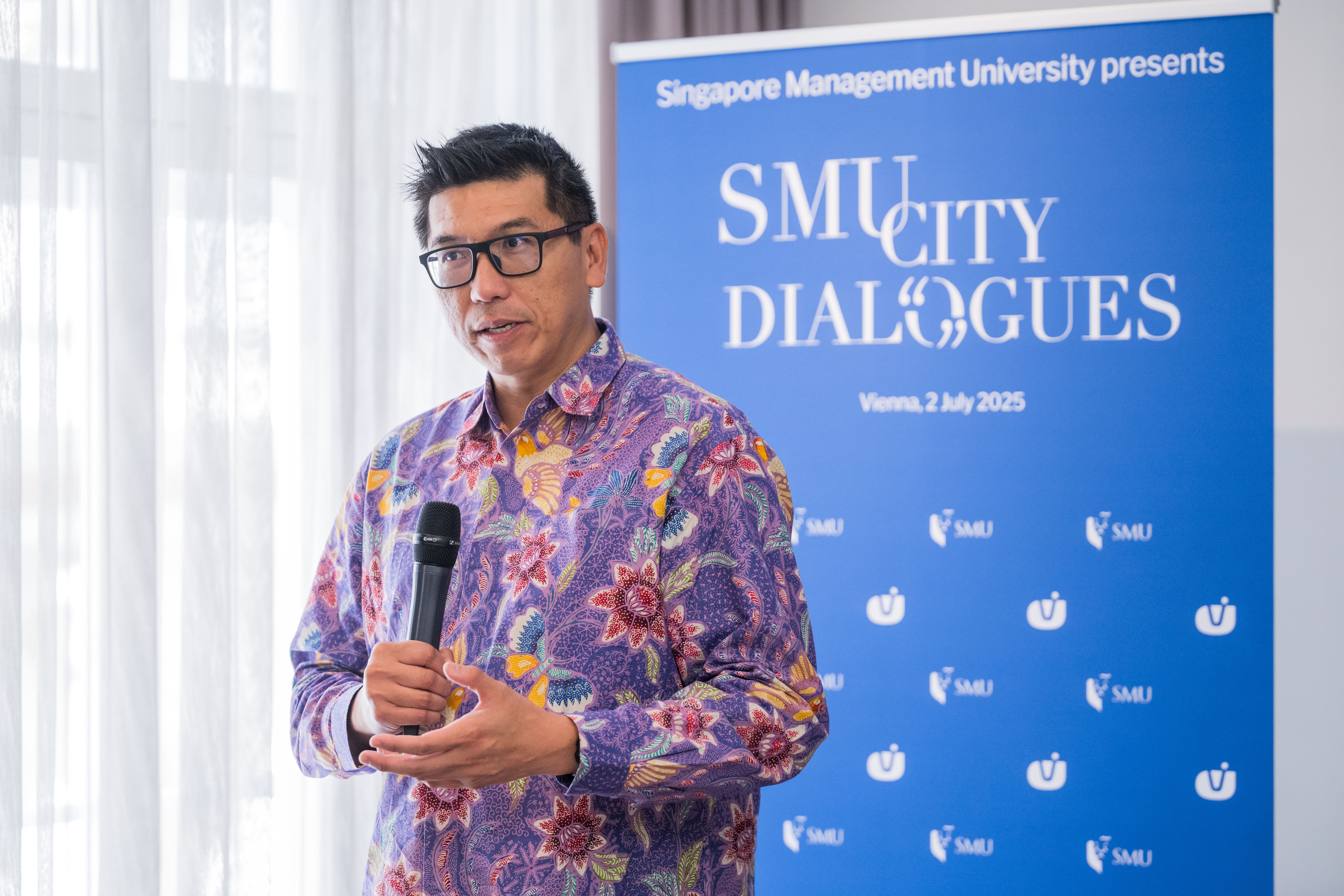
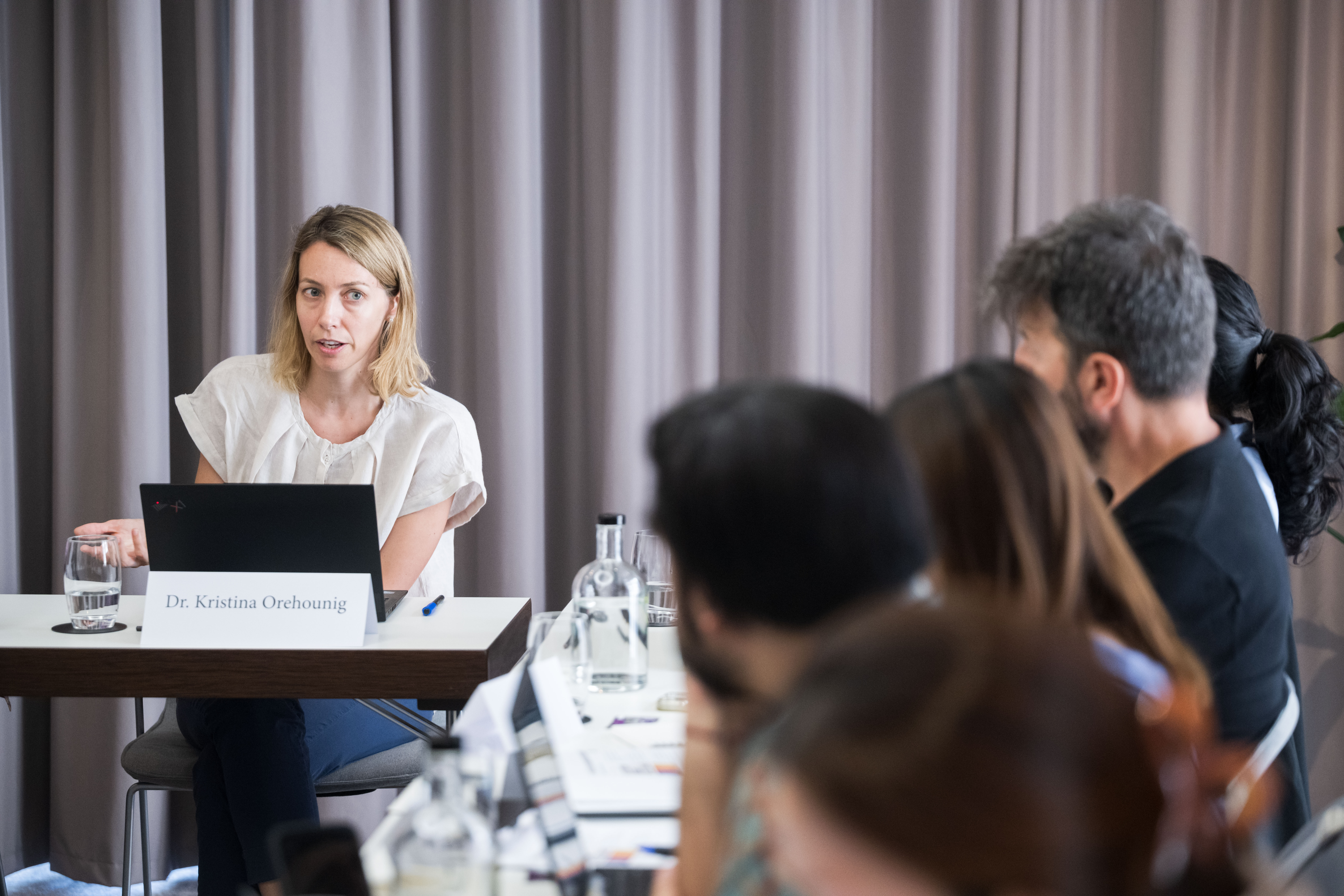
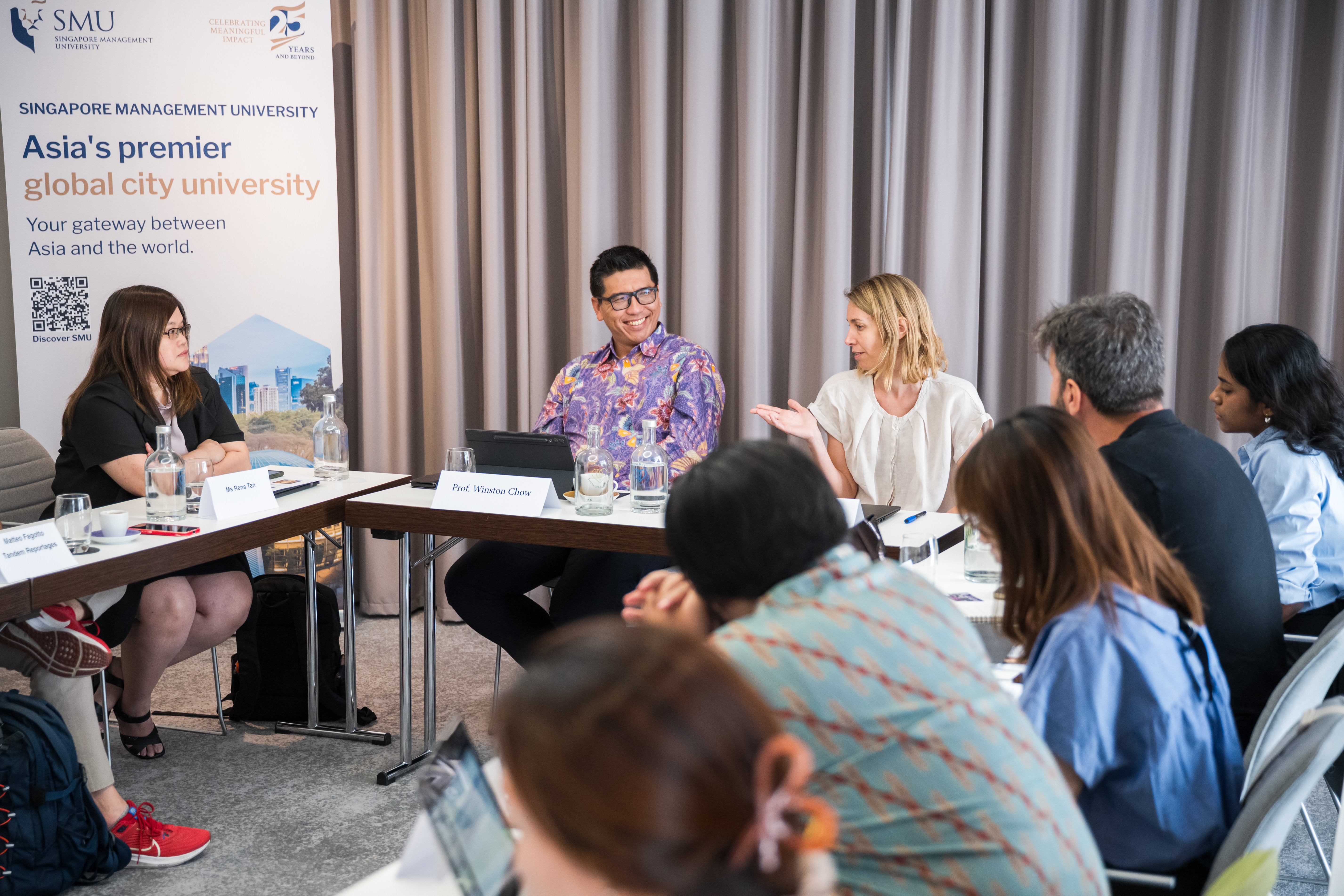
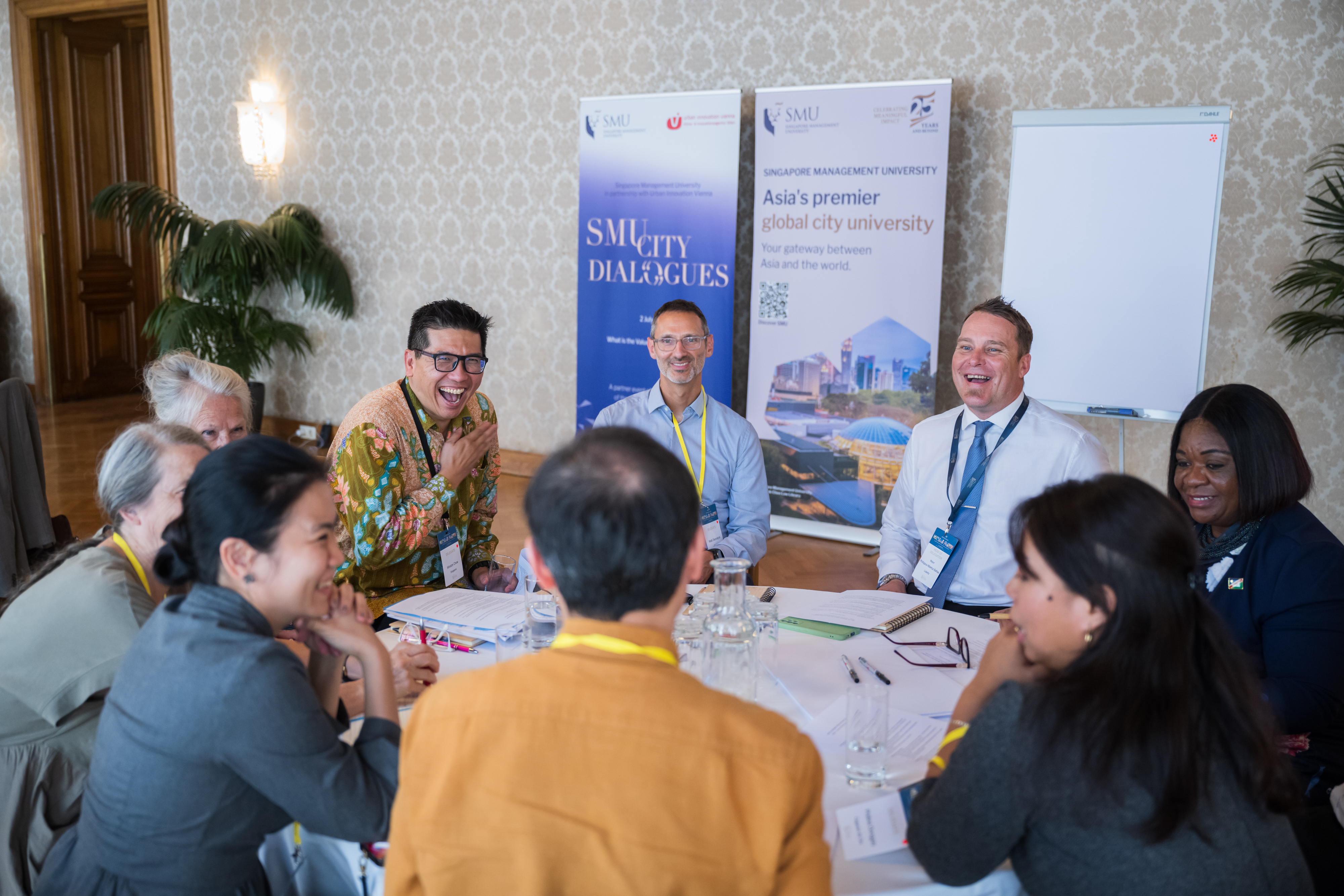
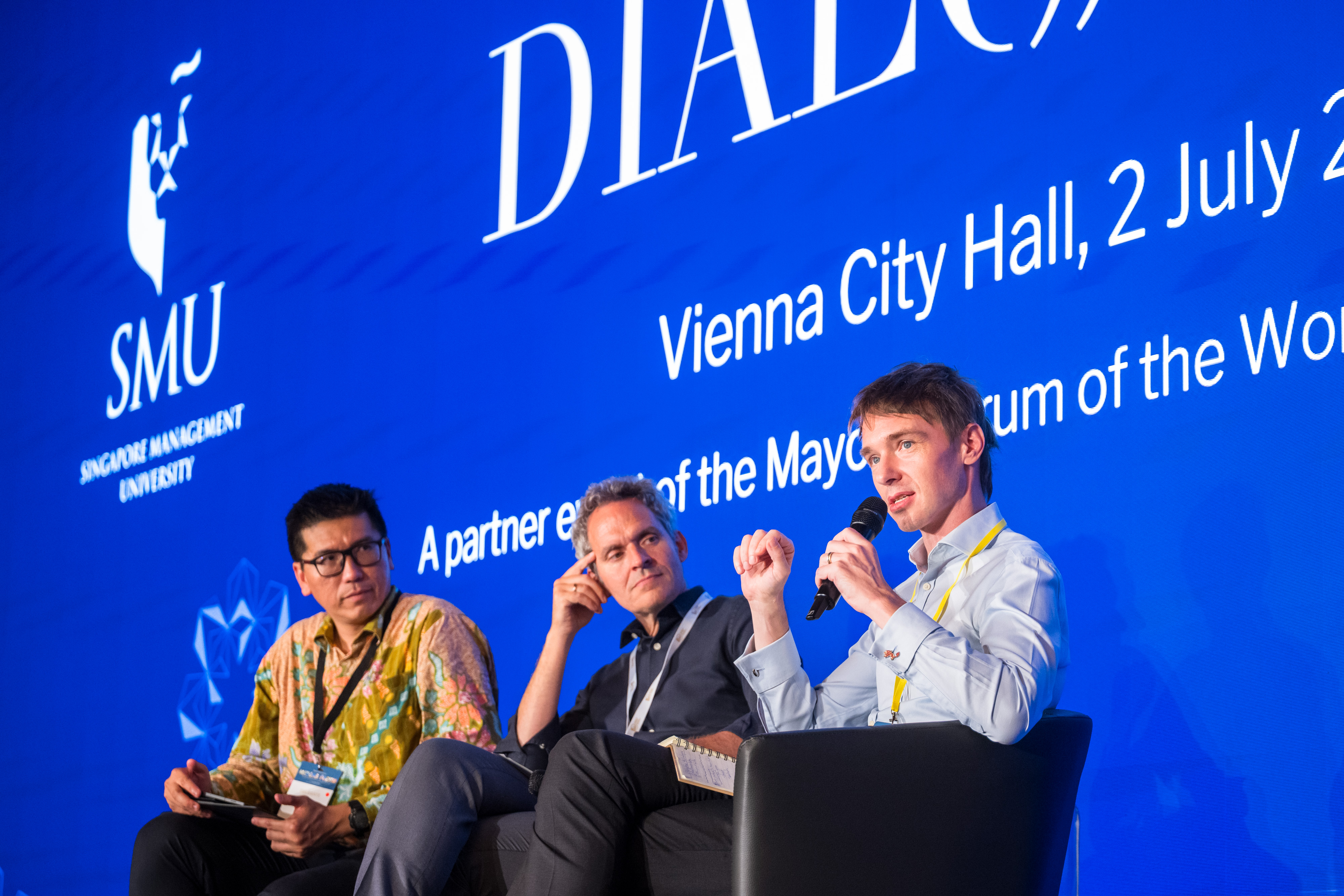
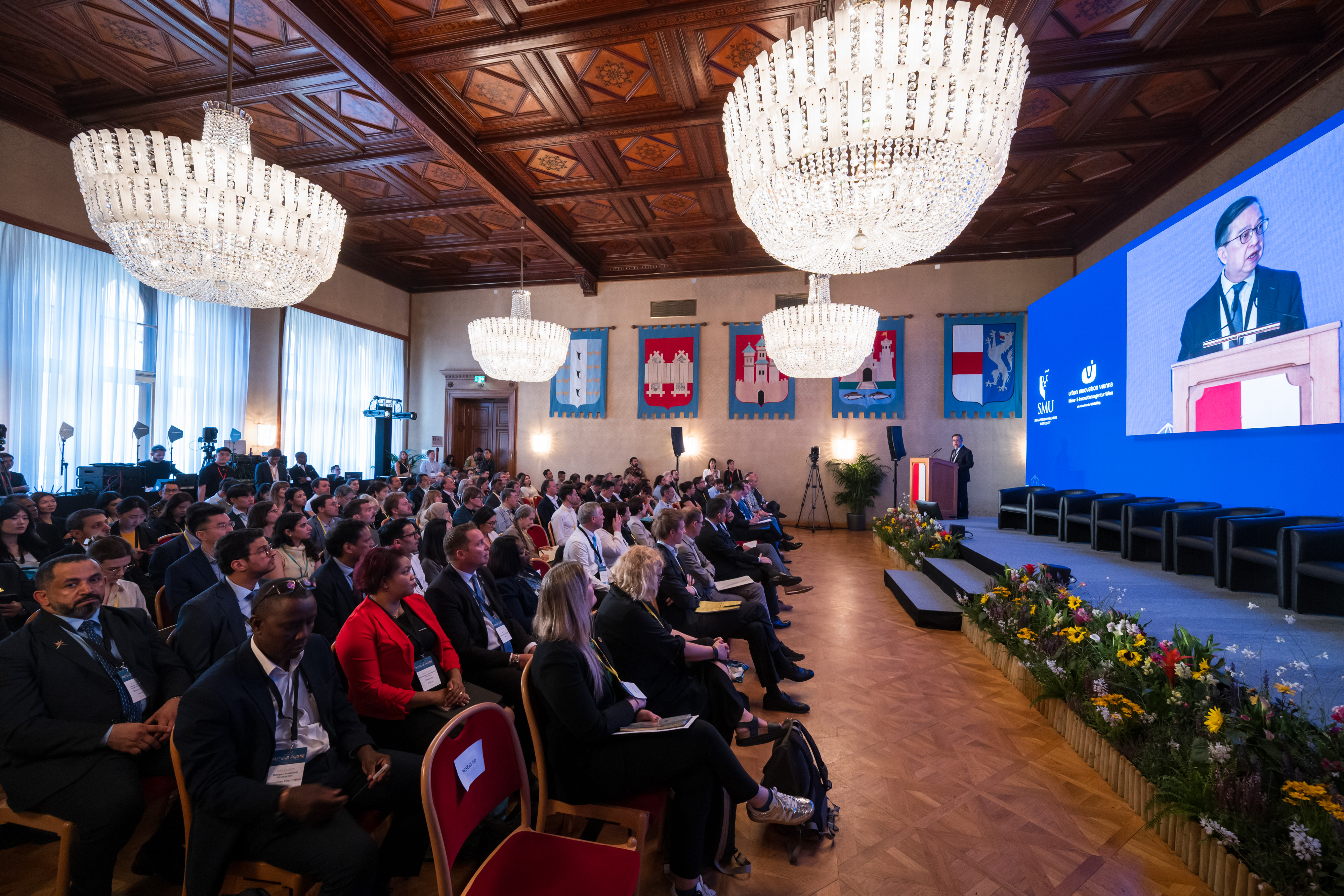
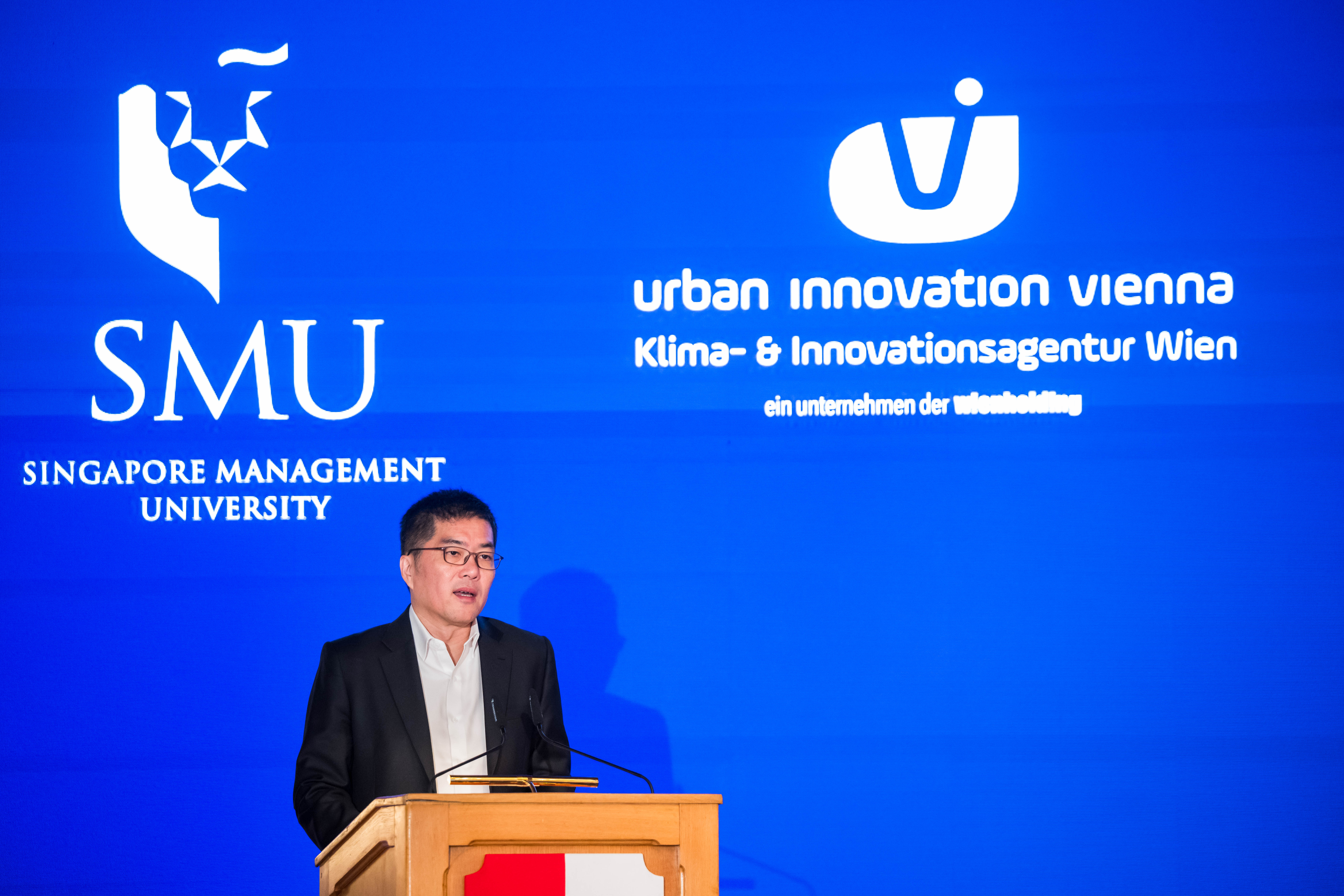
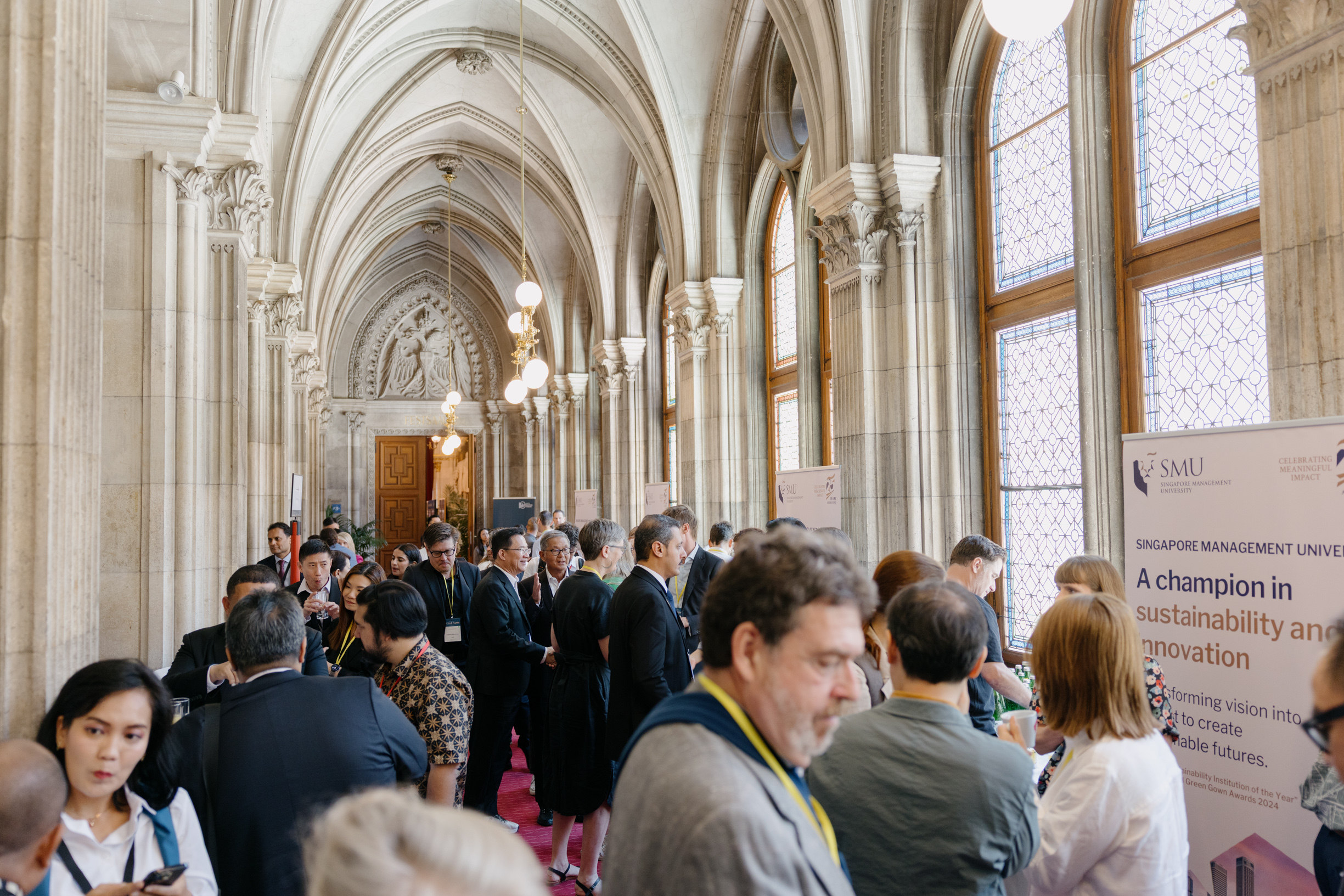
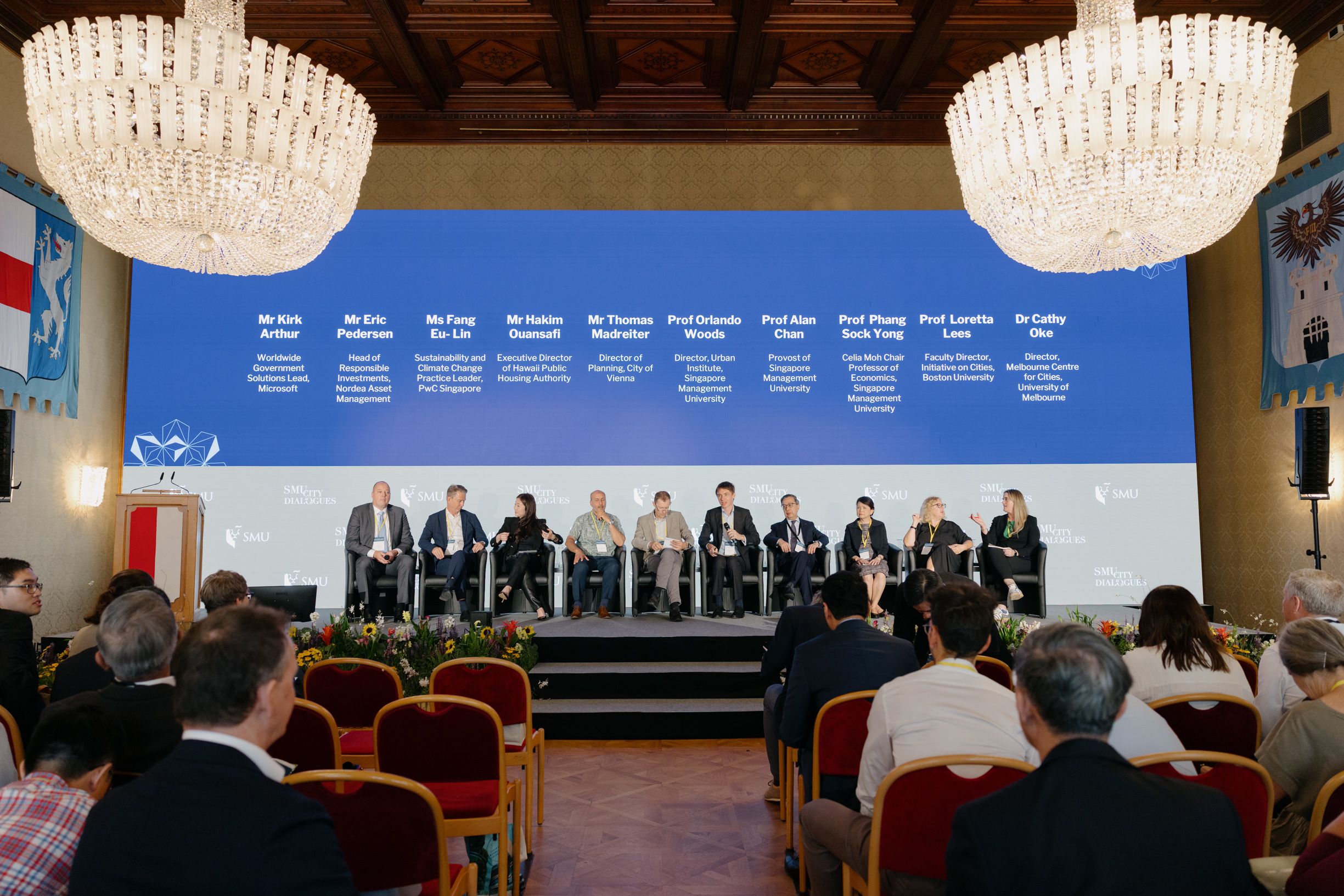
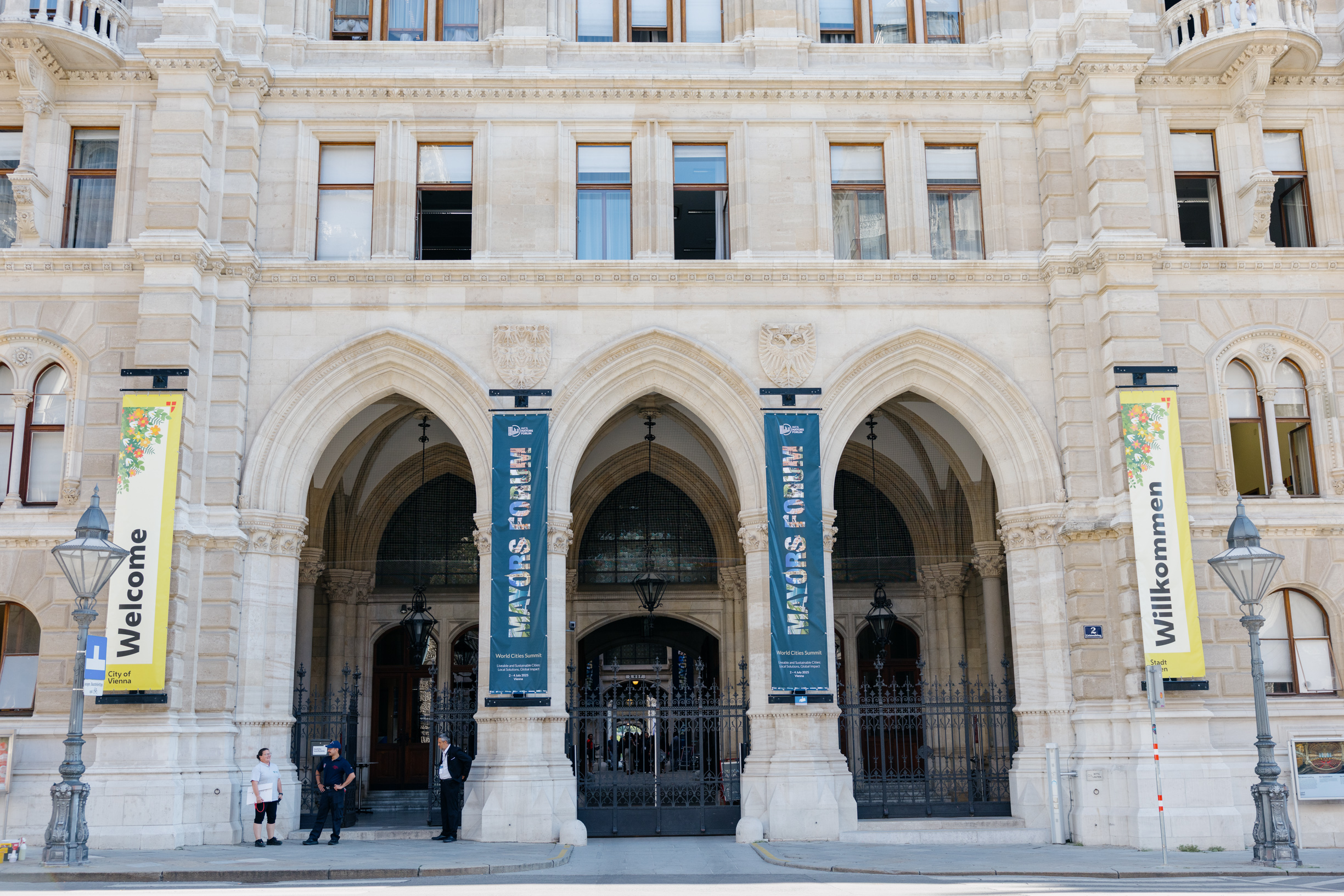
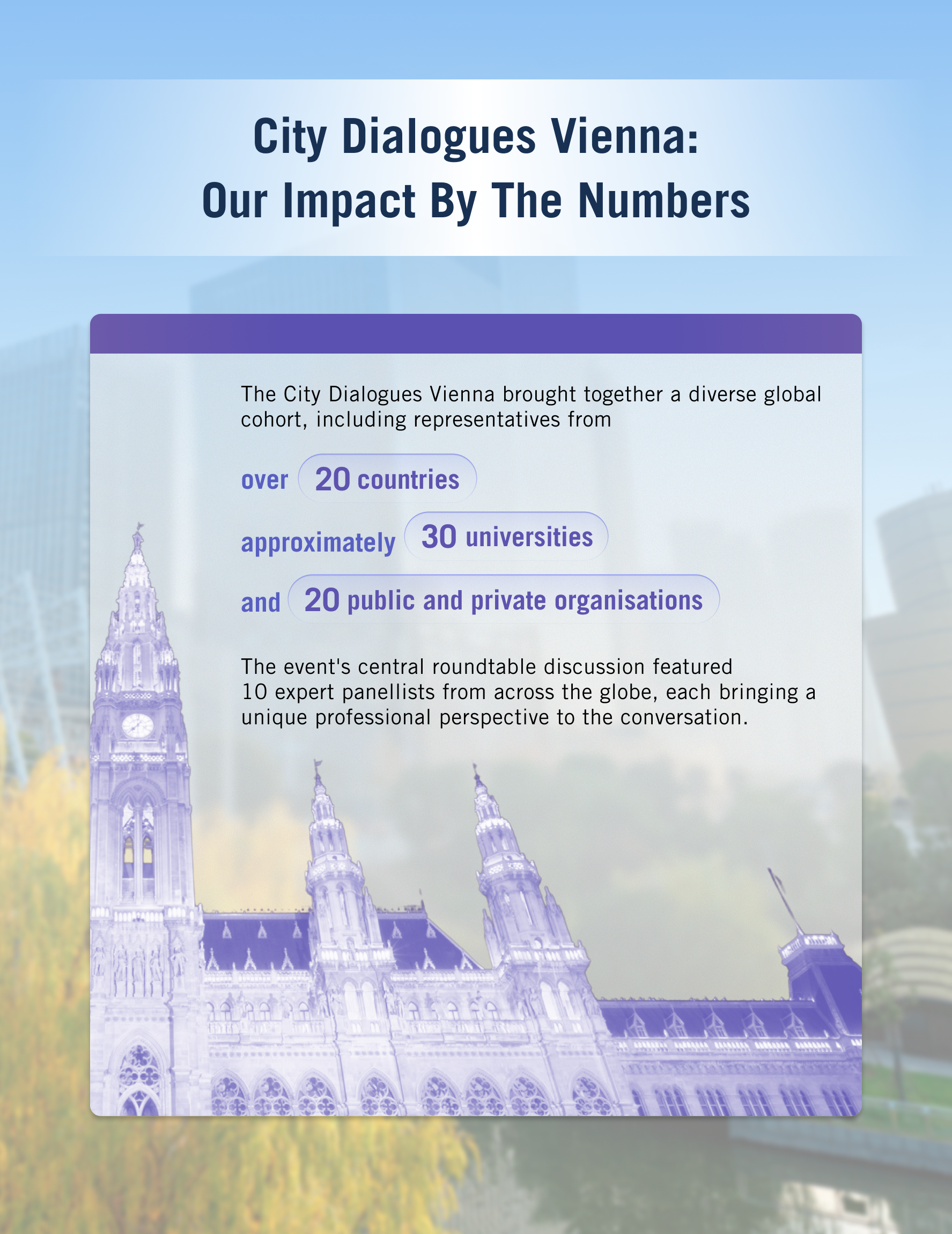
The fourth edition of SMU City Dialogues brought leaders from government, academia, and industry to Vienna - 2020 winner of the Lee Kuan Yew World City Prize. Powerful ideas emerged as global thought leaders from more than 20 universities and over 30 private and public organisations discussed the future of resilience. Watch the highlights now.